
In security operations today, intrusion detection no longer means watching a perimeter and waiting for alerts to appear. Threats move faster. They come from the air, the ground, sometimes in coordinated groups. And they often slip past systems that were designed for a different time. This shift has created space for companies like DARIT to step forward with a more practical and mission-focused approach to autonomous intrusion detection.
Founded in 2018 and based in Sherbrooke, Quebec, DARIT focuses on Counter-UxS detection and monitoring solutions for defense teams, infrastructure operators, and high-security environments. The company works with organizations that cannot afford blind spots. Airports. military installations. large public venues. sensitive industrial locations. Places where one missed signal can quickly become a serious problem.
What stands out about DARIT is how clearly the company positions itself. Not as a sensor manufacturer chasing hardware trends. Instead, as an operational partner helping clients build detection capability that actually works in the field.
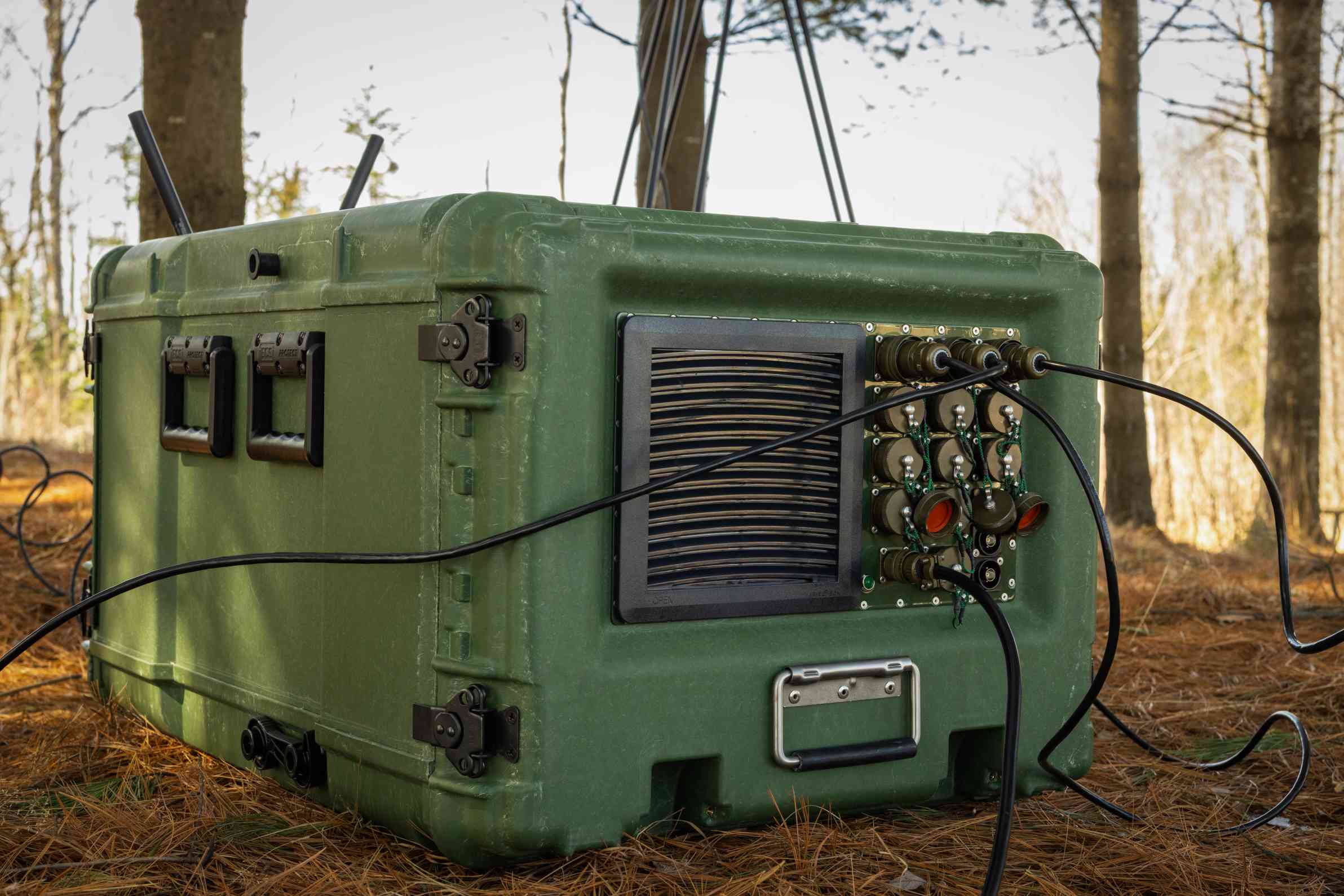
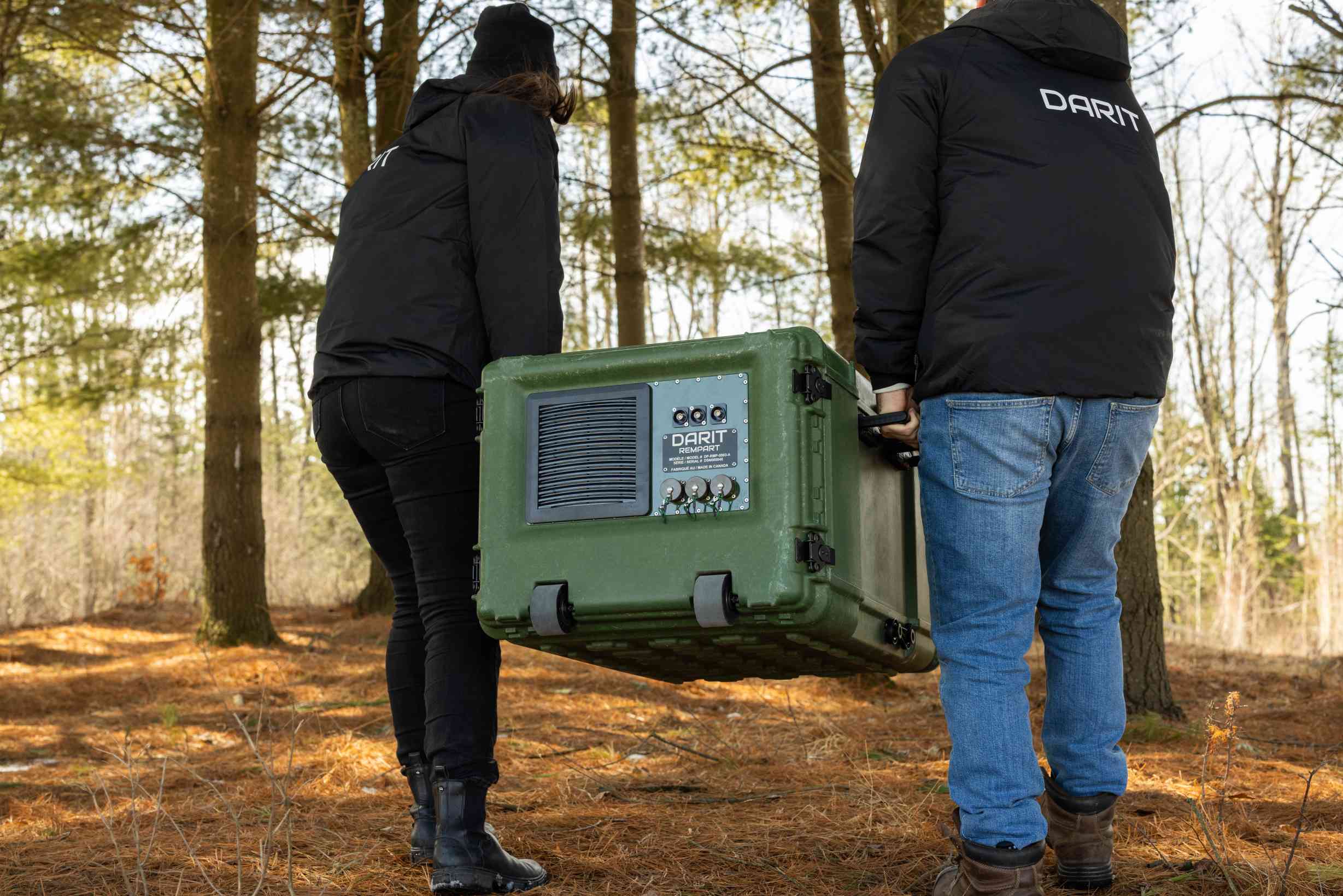
A big part of that story begins with REMPART, DARIT’s multisensor fusion engine. It brings together radar, RF signals, optical feeds, and other sensor inputs into one shared operational picture. Operators do not have to jump between dashboards or interpret disconnected alerts. They see what matters, when it matters. This matters more than most people realize.
Many organizations still rely on separate sensor systems that do not talk to each other well. That creates confusion during fast-moving incidents. It increases the workload. And it slows decision-making right when speed matters most. DARIT designed REMPART to remove that friction. The platform detects, tracks, and classifies threats in real time while helping operators prioritize what deserves attention first.
Another challenge clients often face involves staffing. Security teams rarely have the luxury of large operator groups managing every sensor location. DARIT’s architecture supports autonomous detection and alerting, so one operator can supervise multiple zones if needed. At the same time, the system keeps manual control available for critical moments. That balance makes a difference in real deployments.
The company also built its command-and-control interface with usability in mind. The layout feels direct. The visualizations stay clear. Threat assessments appear quickly without overwhelming the operator. You can tell the design reflects feedback from people who actually work inside operational environments.
DARIT’s role does not stop with software delivery. The company supports clients across the full deployment lifecycle. That includes planning, installation, configuration, and training. It also includes long-term performance support after systems go live. These steps sound routine on paper. In practice, they shape whether a deployment succeeds or struggles later.
The consulting layer is especially useful. DARIT helps organizations define requirements early, choose the right sensor mix, and avoid vendor lock-in. That independence matters in Counter-UxS projects because environments differ so much from site to site.
Participation in programs such as Defence Research and Development Canada and the IDEaS Sandbox initiative also strengthens DARIT’s position. These environments allow the team to test systems under realistic conditions and gather feedback from operators who work in the field every day. Not theoretical testing. Real use cases.
One deployment example shows how this approach plays out. A client needed coverage across a citywide area with multiple blind spots and complex terrain. Only one operator managed the network. One detection system also had to run from a remote location without onsite staff. DARIT connected the systems through its mesh architecture so they could share detections in real time. The operator gained a full airspace view from one workstation. Coverage gaps closed. Response speed improved. And the remote system became fully operational without additional personnel support.
DARIT supports a wide mix of mission environments today, including:
Behind the technology sits a multidisciplinary team working across artificial intelligence, electronics, cybersecurity, mechanical engineering, and tactical operations. That mix shows up clearly in the platform design. It feels built by people who understand both engineering constraints and operational pressure.
The company also operates as an independent integrator. That detail often gets overlooked. DARIT selects sensors based on mission fit instead of vendor preference. It keeps architectures flexible and future-ready. Clients notice the difference once systems expand across multiple sites.
Recognition in national Counter-UxS evaluations adds another layer of credibility. The company placed second at the CUAS Sandbox testing event at CFB Suffield in 2024 and secured first place during the Urban Ottawa evaluation in 2025. Those results reflect performance in operational testing environments, not controlled lab settings.
Looking ahead, DARIT continues building toward a complete Canadian detection and neutralization pipeline designed for both civil and military use. The goal is straightforward. Deliver an end-to-end capability that supports detection, decision support, and countermeasure coordination within one integrated structure.
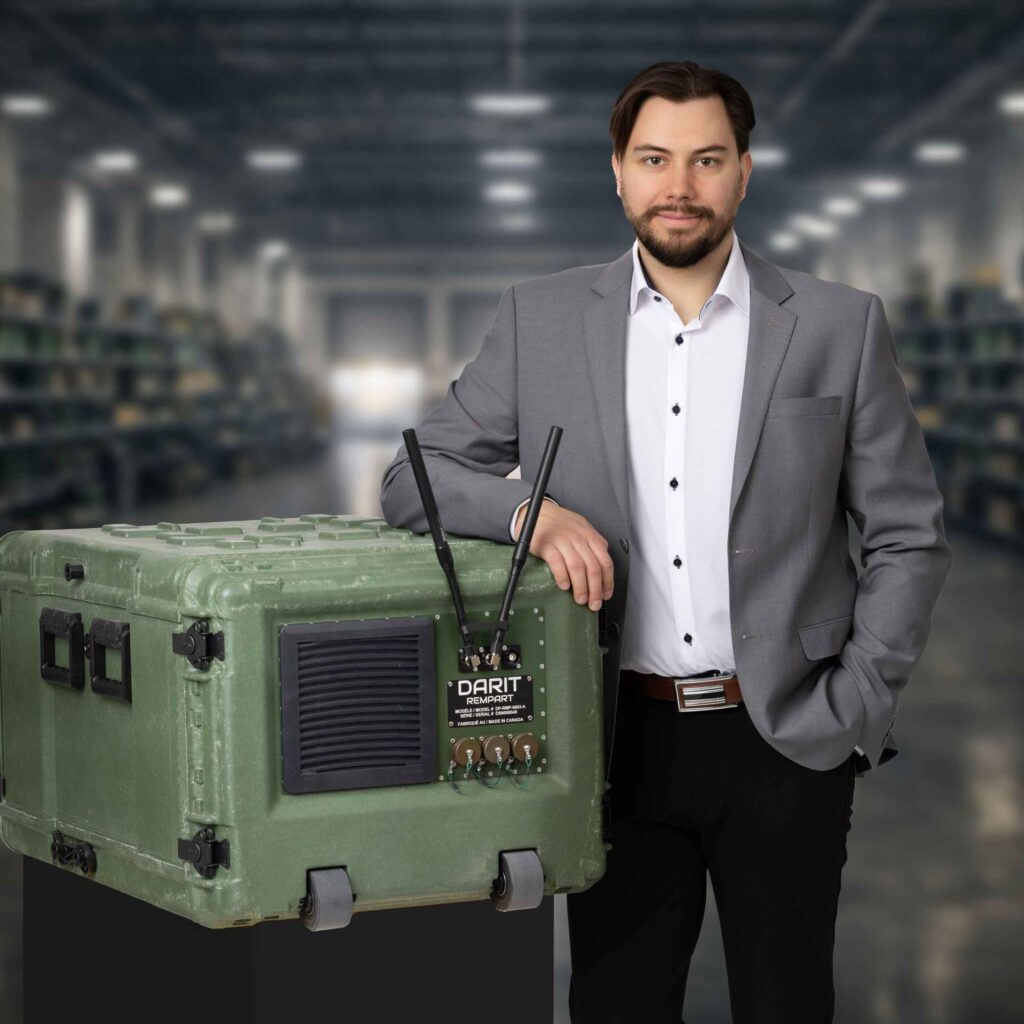
“Our teams ensure that clients not only acquire cutting‑edge capabilities but also sustain them through robust operational readiness, lifecycle management, and adaptive field support aligned with emerging threats and mission realities,” said Jonathan CEO of Darit. Under the leadership of Jonathan Vincent, the company keeps expanding partnerships with sensor manufacturers while strengthening interoperability across deployment environments. It is a practical strategy. And a necessary one, as autonomous threats continue to evolve faster each year.