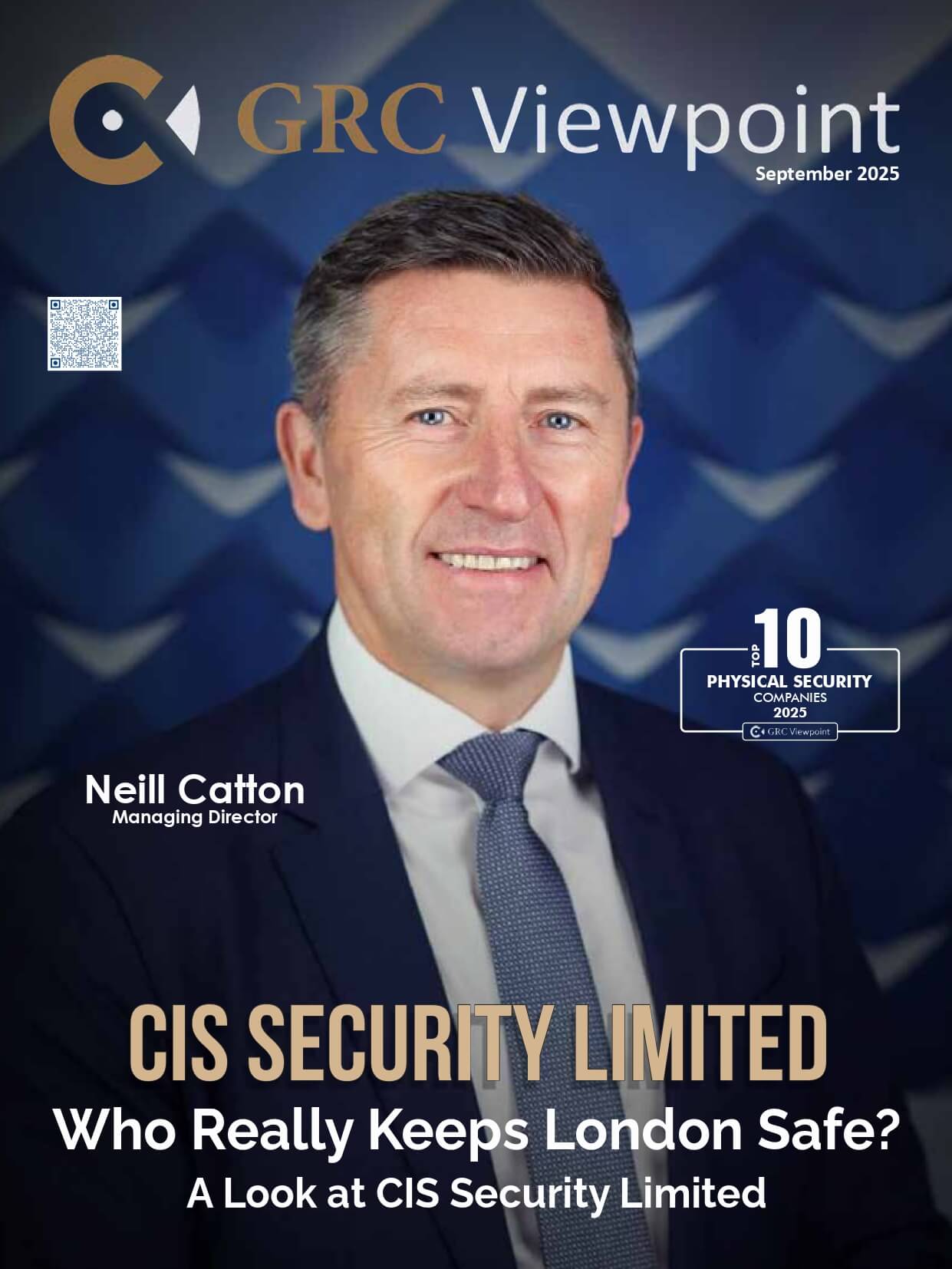

CIS seems well aware of these challenges and is positioning itself accordingly. Their strategy leans into consultancy, risk management, and digital systems. They’re also vocal about ESG and responsible business practices, with policies covering modern slavery, governance, and environmental impact. Those aren’t box-ticking exercises anymore. Many clients now expect them as a baseline. It’s another way an independent can punch above its weight: by aligning values with clients who care about responsibility as much as compliance.
When you look at the London security landscape, there are plenty of names that come up, from global giants with endless resources to local outfits trying to carve out their space. Somewhere in between, standing out for a very different reason, is CIS Security Limited. It’s not the biggest and not the flashiest, but ask anyone in the industry who’s been around a while and you’ll hear the same thing: they’ve built their reputation the hard way, over decades, and that counts for more than a glossy sales pitch.
Founded back in 1969 by former police officers, the company didn’t start out chasing scale. It began with investigations and later moved into manned guarding in the early seventies. That decision set the tone for what would become one of the most respected independent security companies in London. And independence is a word that matters here. Unlike the multinationals who answer to shareholders, CIS is still run with its own agenda, leaner, more focused, and often more adaptable to clients who expect a personal touch alongside professional standards.
Spend some time looking into how they work and you see a mix of old-school discipline and modern innovation. On one hand, they’re providing uniformed guards, door supervisors, and alarm response services. Those are the basics, the bread and butter of the industry, and CIS does them as well as anyone. But they’ve layered on more over the years: front-of-house solutions that combine hospitality with security, consultancy services that focus on risk and compliance, and even technology-driven offerings that cover CCTV monitoring, access control, and remote helpdesks. That blend has allowed them to stay relevant in a market where traditional guarding alone is no longer enough. Clients don’t just want boots on the ground. They want intelligence, data, integration with their systems, and the reassurance that their provider understands both the physical and digital sides of security. CIS seems to get that.
What really gives the company credibility, though, is the amount of accreditation it has stacked up. And in this industry, those logos and certificates aren’t just for show. They’re a shorthand for reliability, compliance, and quality. CIS is an SIA Approved Contractor, certified for security guarding, door supervision, CCTV, and keyholding. It holds ISO 9001 for quality management, ISO 14001 for environmental standards, ISO 22301 for business continuity, and ISO 27001 for information security. On top of that, there’s NSI Guarding Gold, Cyber Essentials, SafeContractor, Constructionline, and CHAS. The list goes on, but the point is simple: this is a company that takes standards seriously. Clients notice. And in an industry where contracts often last years and relationships are built on trust, that attention to compliance gives them an edge.
But credentials only get you so far. What keeps CIS interesting is how it plays across sectors. They’re in corporate buildings in the City, estate management across London developments, education, cultural venues, and even life sciences and critical environments. Each of those sectors has its own quirks. A museum, for example, needs guards who are not only vigilant but also approachable, able to blend into the visitor experience without feeling intrusive. A financial headquarters requires discretion and consistency. A laboratory demands stricter compliance and more technical security systems. CIS adapts. And that’s one of the quiet strengths of a mid-sized independent: the ability to move between sectors without losing focus or getting caught up in bureaucracy.
Technology is the other piece of the puzzle. Security today isn’t just about putting guards on site. It’s about blending people with systems that extend their reach. CIS has leaned into that with its Innovative Solutions division. Here they’re handling enterprise access control, CCTV and remote monitoring, intruder alarms, and cloud-based helpdesk support. They run a 24/7 Security Operations Centre that acts as the nerve center for incident response and coordination. It’s not flashy tech for the sake of tech. It’s about making sure a client gets continuity, real-time response, and systems that actually work together. The industry has been talking about the convergence of physical and cyber security for years. CIS is one of the independents that has taken real steps in that direction.
Let’s pause here and look at where CIS sits in the wider market. If you line them up against the likes of G4S or other multinationals, the scale difference is obvious. G4S is a global machine with contracts that span continents, hundreds of thousands of employees, and the kind of resources that few can match. On the other end, there are smaller firms offering more limited services, sometimes hyper-local, sometimes more niche. CIS sits in the middle. It’s large enough to offer national coverage and handle complex contracts, but still small enough to remain independent and retain flexibility. That’s part of why it’s been able to sustain long-term relationships with clients who don’t want to get lost in the shuffle of a multinational hierarchy.
Strengths? Plenty. For one, their reputation is solid and backed up by decades of consistent delivery. The company has roots in policing and investigation, which shows in its culture of discipline and accountability. They’ve invested in innovation without abandoning their core services, which means they can pitch themselves as both traditional and forward-looking. They’re heavily accredited, which reassures corporate buyers who need compliance boxes ticked before signing contracts. And they’ve managed to keep their independence in a market that has seen a wave of mergers and acquisitions. That independence means quicker decisions and a closer connection between leadership and frontline staff.
But it’s not all smooth sailing. The physical security industry is still labor-heavy, and that comes with challenges. Margins are tight. Recruiting and retaining quality officers in London, where costs of living are high, is never easy. Competing with the global players on price is difficult, and technology investment requires careful balance when you don’t have multinational budgets. Clients are also getting more demanding. They want analytics, dashboards, predictive tools. Security isn’t just about guards and gates anymore; it’s about data. Meeting those expectations without diluting the core service is a tricky balancing act.
That said, CIS seems well aware of these challenges and is positioning itself accordingly. Their strategy leans into consultancy, risk management, and digital systems. They’re also vocal about ESG and responsible business practices, with policies covering modern slavery, governance, and environmental impact. Those aren’t box-ticking exercises anymore. Many clients now expect them as a baseline. It’s another way an independent can punch above its weight: by aligning values with clients who care about responsibility as much as compliance.
If we step back and look at the big picture, the story of CIS Security Limited is one of steady growth and adaptation. From a small investigative service in the late sixties to a nationally operating security provider today, they’ve managed to keep evolving without losing their identity. That’s rare in an industry that often rewards scale over substance. They’re not trying to be everything to everyone. Instead, they’ve carved out a reputation as a reliable, flexible, and accredited partner. And that might just be the reason they continue to hold their ground against bigger players.
To put it simply, if you’re looking at physical security companies in London, CIS deserves to be on the shortlist. Not because they’re the biggest. Not because they’re the cheapest. But because they combine experience, compliance, and adaptability in a way that feels both modern and grounded. Clients who want a provider that understands the industry from top to bottom, while still being small enough to care, will find value in that. And in a sector where trust is everything, that’s often the deciding factor.